A Comprehensive Overview to Putting Up and Keeping Your Pendant Light
Setting up and maintaining a necklace light needs mindful preparation and execution. Appropriate height dimensions can improve both functionality and layout. Essential tools and a clear setup procedure are critical for a successful arrangement. Routine upkeep assurances long life and efficiency. Comprehending these components can change a space. Understanding where to start could seem intimidating. What steps should one focus on to accomplish the finest results?
Understanding Pendant Light Styles
While several property owners seek to improve their spaces with Pendant lights, understanding the numerous designs available is essential for making an enlightened option. Pendant lights are available in a wide variety of styles, each offering one-of-a-kind visual and useful advantages. Traditional Pendant lights often include classic shapes and materials, such as glass or metal, supplying an ageless allure. Contemporary layouts, on the various other hand, may integrate strong colors and ingenious materials to create striking focal points.
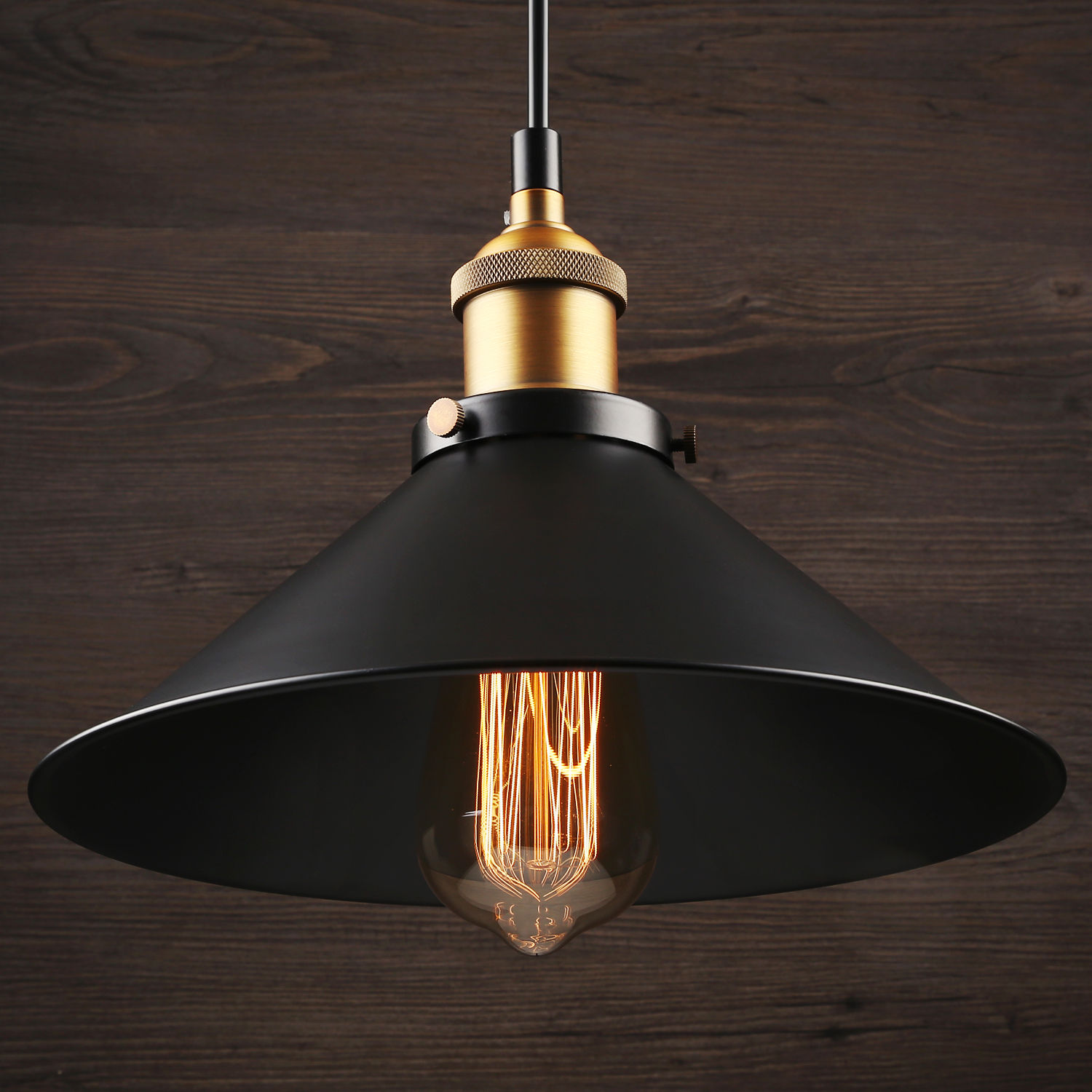
Industrial-style necklaces frequently use resources like exposed light bulbs and rustic coatings, suitable for lofts and modern setups. For a more wayward touch, vintage-inspired alternatives evoke fond memories with intricate details and retro coatings. In addition, minimal designs concentrate on simpleness and tidy lines, attracting those who choose underrated style. Recognizing these varied designs permits home owners to choose Pendant lighting that not only enhances their decor but also serves their sensible illumination requires successfully.
Measuring the Ideal Height for Your Pendant Light
Exactly how does one identify the ideal elevation for a necklace light? To attain the most effective performance and visual allure, a number of aspects should be thought about. Generally, a pendant light should hang 30 to 36 inches above an eating table to guarantee sufficient lighting without obstructing sights. In areas with high ceilings, the fixture may be positioned a little greater to preserve proportionality.
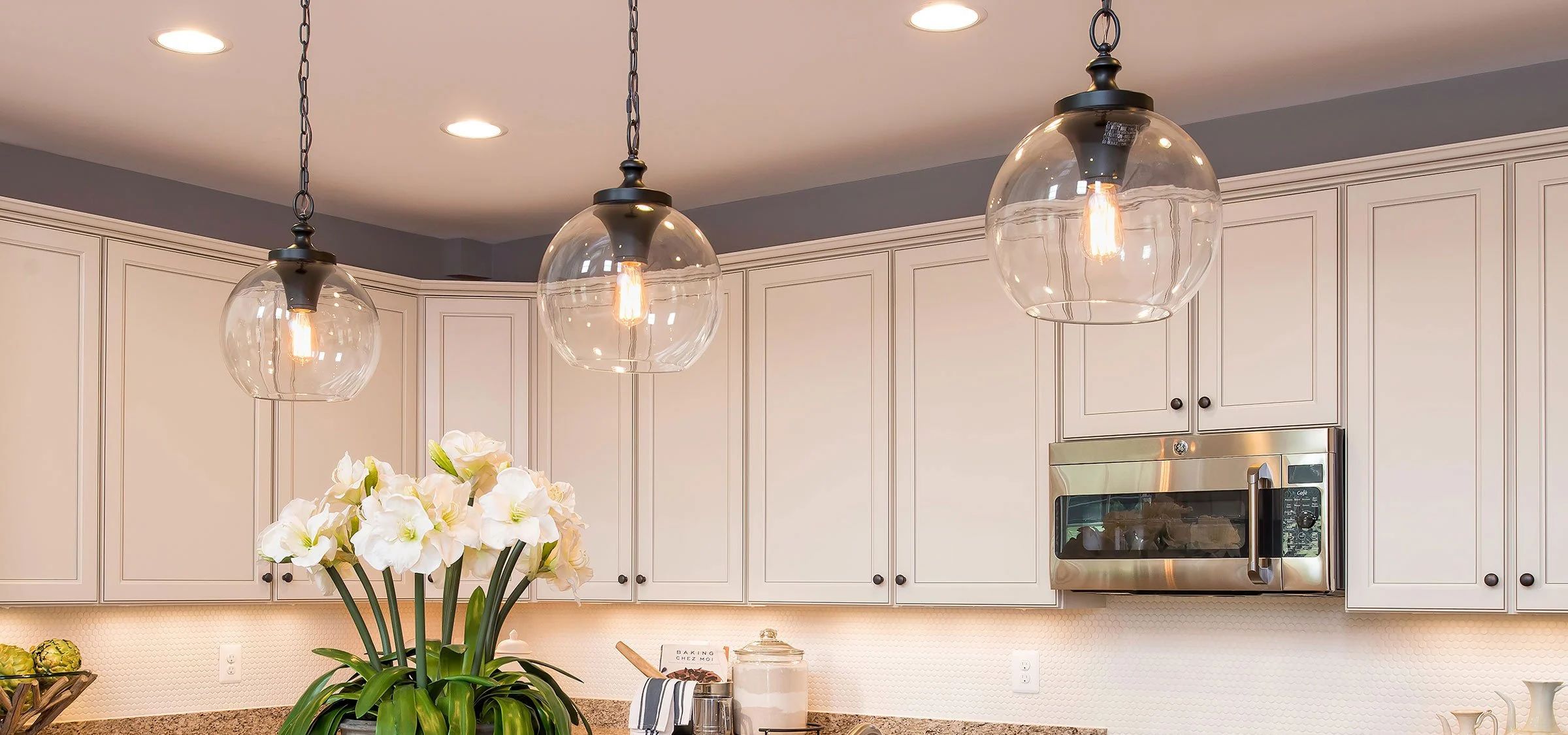
For kitchen islands, a height of 28 to 34 inches over the counter top is generally recommended, permitting appropriate light coverage while keeping a welcoming atmosphere. In living locations, the Pendant ought to be hung at an elevation that complements the surrounding design and does not create a threat for people strolling below it.
Eventually, individual preference and room dimensions play considerable roles in determining the excellent height. Examining numerous heights prior to last installment might aid achieve the desired result and performance.
Tools and Products Needed for Installment
Successful setup of Pendant lights calls for a details collection of tools and materials to ensure a smooth procedure. Important devices include a screwdriver, cord pole dancer, and a drill, which assist in safe fixture attachment and proper electrical wiring. A voltage tester is vital for confirming safety by ensuring that power is off prior to starting any type of electric job.
In addition to tools, particular materials are essential for installation. These include the Pendant light fixture itself, electric wiring, cord nuts for secure links, and installing hardware. A ceiling hook may also be needed, relying on the fixture's design.
For added security and comfort, a ladder will aid within high ceilings, while a degree assures that the light hangs evenly. Preparing these devices and products ahead of time simplifies the installment procedure, making it much more reliable and reliable. Correct preparation is vital to achieving an effective Pendant light installment.
Step-by-Step Installation Refine
With the essential devices and products gathered, the setup procedure for Pendant lights can start. Initially, the power supply must be transformed off at the circuit breaker to assure security. Next, the mounting brace requires to be connected to the electric box in the ceiling. After securing it, the electrical expert's tape must be used to cover any kind of exposed cords.
Complying with that, the Pendant light's cords are linked to the corresponding cords in the ceiling: black to black (or red), white to white, and green or copper for ground. When the links are made, they must be protected with wire nuts.
The Pendant light can after that be connected to the mounting bracket, ensuring it hangs at the preferred elevation. Ultimately, the light bulb is placed, and the power is turned back on at the circuit breaker, allowing the new Pendant light to light up the space.
Maintaining and Cleansing Your Pendant Light
What actions should be required to ensure the durability and visual appeal of Pendant lights? Regular maintenance and cleaning are crucial in preserving their beauty and capability. Dust and dust can collect on Pendant lights, decreasing their sparkle. To clean, a soft, lint-free cloth or microfiber towel must be made use of, in addition to a gentle cleaner suitable for the surface area material - Pendant Light. For glass or crystal necklaces, a glass cleaner can improve quality without streaks
It is a good idea to transform off the light and enable it to cool down prior to cleaning. Additionally, checking the fixture for loosened bulbs or links regularly ensures security and top efficiency. Altering bulbs consistently avoids pressure on electrical elements if suitable. Finally, maintaining a secure setting by staying clear of exposure to moisture can substantially prolong the life of Pendant lighting. Following these steps will certainly maintain Pendant lights looking their ideal while functioning successfully.
Repairing Common Pendant Light Issues
When pendant lights malfunction, several common concerns may develop, consisting of flickering light bulbs, incorrect setup, and voltage click here for more info changes. Recognizing the origin is necessary for efficient fixing and guaranteeing peak performance. Attending to these issues immediately can improve the longevity and capability of Pendant lighting fixtures.
Flickering Light Bulbs
Flickering light bulbs can be a resource of frustration for house owners, commonly signaling underlying electric issues or easy maintenance requirements. This phenomenon might come from loose bulb connections, where the light bulb is not firmly matched the outlet, causing recurring contact (Pendant Light). Additionally, defective or aging bulbs might flicker as they near the end of their life expectancy. An additional common cause is inconsistent voltage, which can occur from issues within the electric system or overloading circuits. Homeowners should additionally inspect for damaged electrical wiring, as this can result in flickering and pose safety threats. Regular evaluations and prompt replacements are essential to guarantee appropriate look at this web-site functionality and to maintain a secure home environment. Recognizing the source immediately can stop additional problems
Wrong Installment Issues
Incorrect installation of Pendant lights can lead to a variety of concerns that might appear like those brought on by flickering light bulbs. Common troubles include loose circuitry connections, which can interrupt the flow of electrical power and lead to periodic lights. In addition, if the placing brace is not safely attached, the Pendant might hang unevenly, creating an unsteady fixture that can trigger vibrations or noise. Wrong light bulb types or power level can likewise contribute to efficiency problems, as incompatible light bulbs might not work efficiently in the fixture. Insufficient spacing from the ceiling can create darkness or minimize light distribution, lessening the designated result of the Pendant light. Identifying and addressing these setup mistakes is crucial for achieving correct performance and aesthetic charm.
Voltage Variation Problems
Although Pendant lights can enhance a room's atmosphere, voltage fluctuations can cause significant performance problems. These changes might trigger flickering lights, lowered brightness, or even premature bulb failing. To diagnose such troubles, one must first examine the light's compatibility with the voltage supply. Using a multimeter can aid measure voltage levels and recognize abnormalities. It may be essential to check the electric system for loosened connections or malfunctioning wiring if voltage concerns linger. In many cases, seeking advice from a certified More hints electrical contractor is suggested to assure security and compliance with local codes. Properly resolving voltage changes not just improves the performance of Pendant lights yet likewise prolongs their life expectancy and improves overall illumination quality.
Enhancing Your Space With Pendant Light Positioning
Effective Pendant light positioning can considerably boost a space by sticking to suitable elevation standards, making certain the right lighting level. Layering these lights with various other sources can produce a well balanced atmosphere, highlighting centerpieces within the space. Achieving an unified appearance requires cautious consideration of both the fixture's placement and its connection with surrounding components.
Ideal Height Standards
When contemplating the perfect elevation for Pendant lights, a basic standard suggests hanging them around 30 to 36 inches above a countertop or table surface. This height enables optimum lighting while ensuring that the light does not block views or produce hazards. In eating areas, Pendant lights ought to be placed to boost the dining experience, typically around 28 to 34 inches above the table. For cooking area islands, keeping uniformity across several necklaces can develop a cohesive look; spacing them evenly and adhering to the advised height enhances capability. It is vital to consider ceiling elevation also, as higher ceilings may need changes to maintain symmetry and visual charm. Appropriate elevation placement considerably contributes to the overall ambiance of a room.
Layering With Other Lights
As Pendant lights are integrated into a broader lighting style, they can substantially improve the ambience of a room. Their versatility allows them to be layered with ambient, task, and accent illumination, producing an unified balance. Integrating pendant lights with recessed lighting can provide general lighting while highlighting certain areas. Task lighting, such as under-cabinet lights, can enhance necklaces in cooking areas, making sure functionality without sacrificing design. Accent lights, like wall sconces, can additionally improve the setting, accentuating art work or building features. By purposefully placing these lights, home owners can accomplish deepness and measurement, transforming a regular room into a wonderfully brightened setting that deals with various activities and state of minds.
Prime Focus and Equilibrium
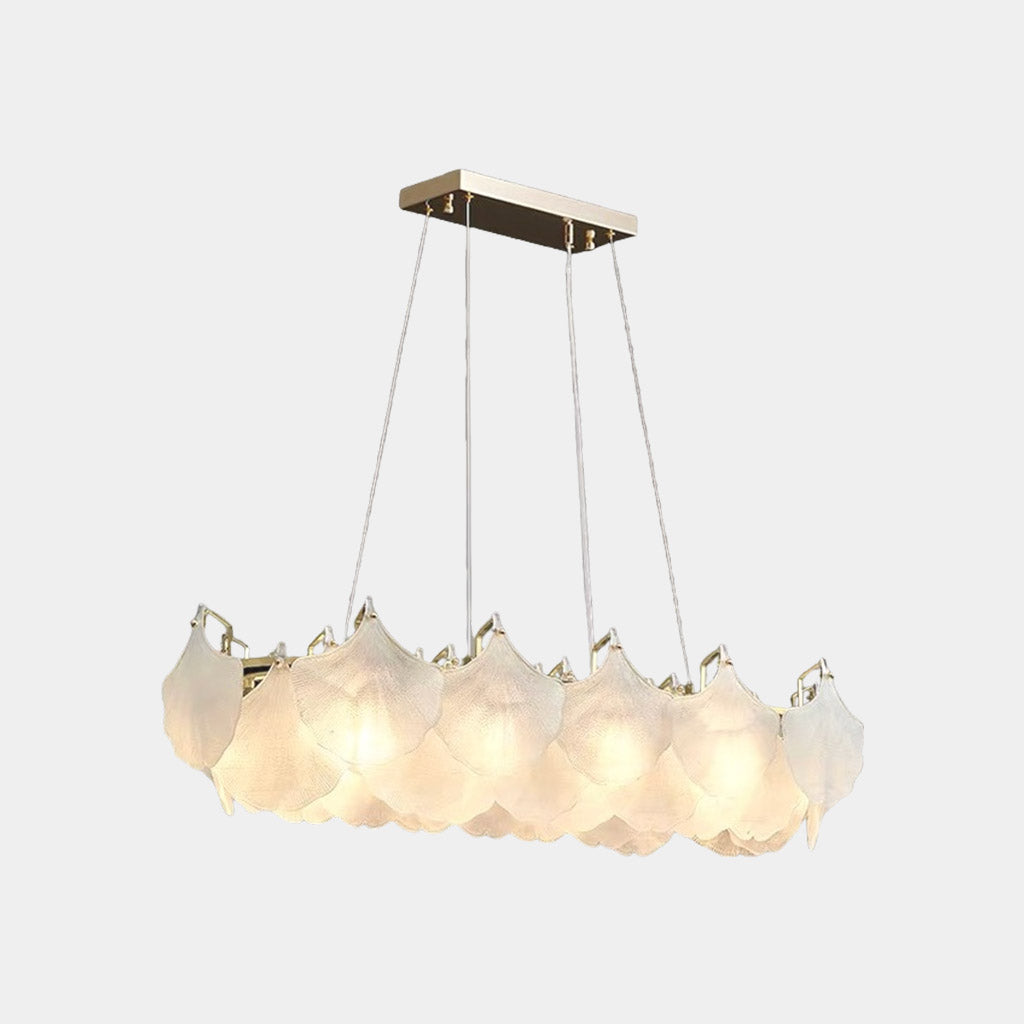
Tactically placed Pendant lights can act as charming centerpieces within a space, attracting the eye and improving the general aesthetic. When picking pendant lights, it is critical to take into account their shape, color, and dimension to assure they match the existing décor. A bold, extra-large Pendant can develop a striking focal point above a dining table, while smaller sized fixtures might function better in clusters to attain a well balanced look. In addition, positioning Pendant lights at varying heights can add deepness and visual interest to the area. Maintaining balance with various other aspects, such as furnishings and wall colors, will ensure that the Pendant lights improve the room without overwhelming it. Thoughtful positioning transforms the atmosphere, creating an unified and welcoming ambience.
Often Asked Inquiries
Can I Install a Pendant Light in a Recessed Ceiling?
The concern of whether a necklace light can be mounted in a recessed ceiling often arises. Normally, it is feasible with ideal installing equipment, ensuring correct assistance and electric links for efficient and safe installation.
What Sort of Light Bulb Is Finest for Pendant Lights?
When choosing bulbs for Pendant lights, LED options are often favored due to their power performance and longevity. In addition, the shade temperature level should match the wanted atmosphere, with warm white being a popular choice for relaxing settings.
Are Pendant Lighting Safe for Outdoor Usage?
How Do I Choose the Right Pendant Light Power Level?
Selecting the appropriate Pendant light power level entails reviewing the room's dimension, preferred illumination, and fixture compatibility. Commonly, reduced wattages suit ambient lights, while greater wattages offer job illumination, making certain capability and visual allure.
Can I Use a Dimmer Switch With My Pendant Light?
The inquiry arose whether a dimmer switch could be used with a necklace light. Usually, if the light and light bulb work, a dimmer switch can successfully improve ambiance and control brightness degrees.
When pendant lights malfunction, a number of common issues might emerge, consisting of flickering light bulbs, incorrect installment, and voltage changes. Incorrect installation of Pendant lights can lead to an array of issues that may look like those triggered by flickering light bulbs. Insufficient spacing from the ceiling can develop shadows or lower light circulation, lessening the designated impact of the Pendant light. Efficient Pendant light placement can substantially boost a space by adhering to perfect elevation standards, making certain the right lighting degree. When selecting light bulbs for Pendant lights, LED choices are usually chosen due to their energy efficiency and long life.